1982 Bordeaux: A Warm Dawn That Rewrote the Map
Explore the legendary 1982 Bordeaux vintage: a warm, ripe yet structured year that reshaped modern claret. Learn how the wines taste today, which Left and Right Bank châteaux excelled, and whether to drink your bottles now or hold the last great bottles.


Cassis and cedar rising in warm air—can generosity ever stay this weightless, or must the final light always fade into shadow?
The Season's Quiet Alchemy: Endless Sun and Structural Grace
The Bordeaux 1982 vintage was a year of profound, unforgettable ease. Following perfect, even flowering, the season was a largely warm, dry stretch, tempered by a cool August before a hot, dry September. The sunlight felt generous, ensuring the grapes achieved a rare level of ripeness. Though yields were abundant, the quality was assured by the healthy, ripe fruit with excellent physiological maturity. Crucially, the cooler nights in late summer and September preserved the essential acidity, saving the wines from being merely heavy. It was a year when sunlight felt endless, and Bordeaux learned a new definition of ripeness.
The Structure's Pledge: Generosity without Loss of Poise
Is 1982 Bordeaux worth aging? Unequivocally yes. This vintage is a true watershed: it shattered the old molds of austerity, introducing a style defined by ripe, supple tannins, plush fruit, and effortless charm. It marked the definitive shift to a modern, sensuous style, proving that great Bordeaux could be generous from youth while possessing extraordinary longevity. The strength of the wine lies not in piercing acidity, but in a resilient structural balance that has carried its warmth and clarity across four decades. At the top level, many 1982s still show remarkable clarity and calm.
How the Wines Taste: Dusk Captured in Amber
To encounter 1982 now is to understand why memory holds so much light. The wines present a mature, luminous portrait.
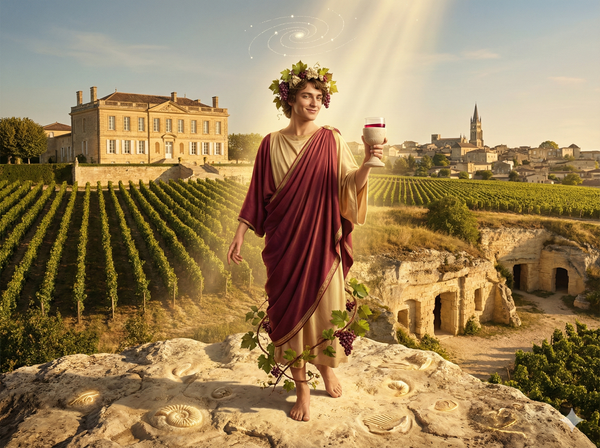
The Left Bank speaks with a settled regality: pure cassis, cold graphite, classic cedar, black tea, and refined tobacco leaf. The Right Bank offers sensual warmth: rich plum, fig skin, the deep scent of truffle, warm earth, dried rose.
The texture is the vintage’s signature: ripe yet structured; tannins softened by time but still articulate; acidity a quiet, enduring thread. The entire experience is like dusk captured in amber—still luminous, yet profoundly contained. I once opened a 1982 Saint-Julien in a stone cellar—the scent rose like warm dusk caught in cedar beams. The acidity remains a quiet, enduring thread that prevents the wine from collapsing into mere sweetness.
Appellation Snapshot: The River's Dialect of Light
The Gironde carried the warmth north and south, and each bank answered in its own dialect of light. Pauillac delivered regal structure and immense longevity, achieving true monumental density. Saint-Julien defined classical harmony and polish, showing seamless integration. Margaux offered perfume and lift, sometimes with a little less density than Pauillac or St-Julien. Saint-Estèphe provided deep, earthy, brooding youth unfolding with patience. Graves produced aromatic clarity and cool earth minerality. On the Right Bank, Pomerol was lush, velvet-rich, warm-earth depth. Saint-Émilion yielded ripe, layered, sculpted by limestone freshness.
Style Spectrum: Cellars Guiding Clarity
The cellars shaped the vintage gently, as if aware that too firm a hand would dim the year’s warm clarity. The winemaking of this era relied on traditional fermentation vats and hands-on methods like frequent pump-overs, though temperature control was already common at leading estates. The wines were typically aged in French oak, with new oak often 40–100% for top wines, lower for modest estates. Alcohol levels were moderate (approx 12.5–13%), ensuring the wines retained balance rather than becoming heavy. This vintage fundamentally marked the beginning of a more supple, fruit-forward Bordeaux style, but its underlying structural bones remained classical and enduringly strong.
Producer Call-Outs: Low Light and Steady Voices
The best producers Bordeaux 1982 are those whose bottles became living museums of the vintage's potential.
- Icons: Latour, Lafite, Mouton, Haut-Brion, La Mission, Pétrus, Léoville-Las Cases, Cheval Blanc, Lynch-Bages, Gruaud-Larose.
- Value plays: Grand-Puy-Lacoste, Cos Labory, Cantemerle, La Lagune, Figeac, La Conseillante. (These remain strong blue-chips from the vintage.)
- Wild cards: Talbot, Duhart-Milon, Larmande—quiet over-performers. (Domaine de Chevalier was famously polarizing for this vintage.)
These bottles are no longer young; they speak now in low, steady light.
Drink-or-Hold Scorecard: Memory Softens the Edge
Time no longer sharpens these wines; it softens them into memory.
- Luminous Present (Most Châteaux, Now–2030): For almost all 1982s below the very top tier, this is a drink, don’t wait moment. They’re fully mature, with fruit fading into tobacco, cedar, and dried flowers. Open gently and enjoy the first few hours in the glass.
- Enduring Embers (Top Châteaux, Now–2033, Provenance-Dependent): A small circle of legends—first growths and peers like Latour, Lafite, Mouton, Haut-Brion, La Mission, Pétrus, Léoville-Las Cases, Cheval Blanc, plus iron-backed over-performers like Lynch-Bages, Grand-Puy-Lacoste, Gruaud-Larose, Figeac, La Conseillante—can still justify short-term patience. Expect more shadow than fruit: cigar box, truffle, graphite. These bottles live or die on provenance.
Final Reflection
The 1982 Bordeaux vintage remains a quiet masterpiece, the year sunlight met structure and changed the region’s destiny forever. It achieved a rare equilibrium, where the warmth of the earth was held captive by an enduring acid line, teaching Cabernet and Merlot how to embrace generosity without losing poise. This structural finesse ensures its continued, luminous strength, allowing the wines to unfold their complex memory across generations. Ultimately, 1982 speaks now in the low, steady light of profound maturity, a testament to the power of time and the wisdom of the vine.