1982 Rioja: Autumn Sun and Cedar Air That Set a Classic Line
1982 Rioja is a luminous classic: cool Atlantic season, long élevage in American oak, and moderate 12.5–13.5% ABV shaped wines of dried cherry, cedar, tobacco, and citrus lift. Explore Alta, Alavesa, and Oriental styles, iconic producers, and drink-or-hold windows for well-stored bottles.

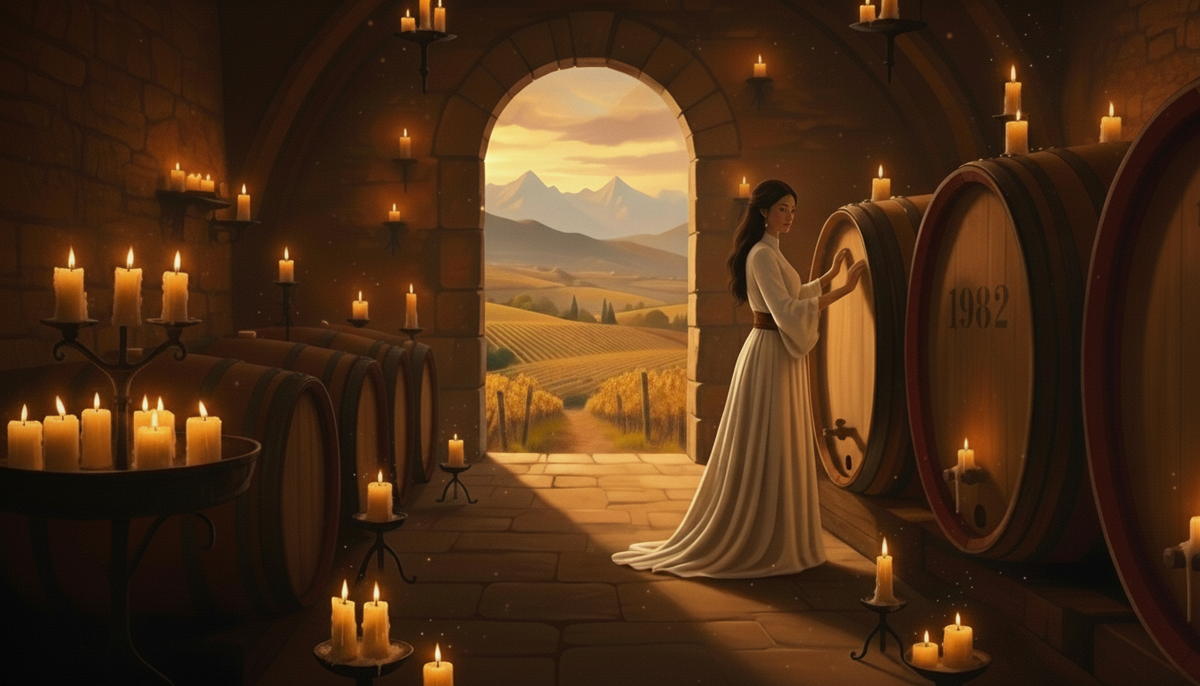
The Season's Quiet Alchemy: Atlantic Breath and Meseta Calm
The 1982 Rioja vintage began with the quiet blessing of ample winter and spring rains, perfectly recharging the dry, thirsty soils. Flowering was textbook—cool, steady, and orderly. The summer that followed was warm and generous, yet crucially, avoided the brutal heat spikes that flatten flavor, especially on the high plains of the Meseta. Cooler nights, particularly in the Atlantic-influenced Alta and Alavesa regions, preserved the vital acidity. The long, unhurried picks stretched from mid-September into October. Growers noted healthy, pristine fruit that demanded careful sorting, and the classical cellar culture of the time ensured a long, patient élevage (aging). The vintage’s stake was met: capture ripeness and color while preserving the region’s old Atlantic line and finesse.
The Structure's Pledge: Longevity Etched in Cedar and Stone
Is 1982 Rioja worth aging? Unequivocally, yes, as the best bottles still speak with stunning eloquence. This vintage is a definitive touchstone, marking a return to classic balance after the sometimes volatile 1970s, and perfectly foreshadowing the refined structure of the 1990s. The synergy of fresh acidity, moderate alcohol (approx 12.5–13.5%), and fine, abundant tannin—shaped by limestone and clay mosaics at altitude—provided the core longevity. This structure was then polished by the hallmark tradition of long American oak élevage (barrel aging), allowing the wine to find a profound, tertiary calm.
Cherry Light in Cedar Shade
To experience 1982 now is to hold a lantern of cherry light in cedar shade—softly illuminated, yet enduring. The primary fruit has settled into complex layers of dried cherry, wild red currant, and a faint edge of blood orange. These aromas are framed by the signature patina of age: tobacco leaf, classic cedar, the savory spice of dill and vanilla (from American oak), leather, tea, and the heat of warm stone. The mouthfeel begins with a cool entry, developing into a medium-bodied flow—a graceful dance across the palate. The once-firm tannins are now utterly polished and fine-grained—resolving in a thrilling salt-and-citrus lift. Tempranillo sets its shoulders square; Graciano adds a cool whisper; Mazuelo tightens the laces on the finish, completing the elegant architecture. Bottle variation is part of the era’s charming, imperfect conversation.
Sub-Region Snapshot: Altitude's Voices and the River's Path
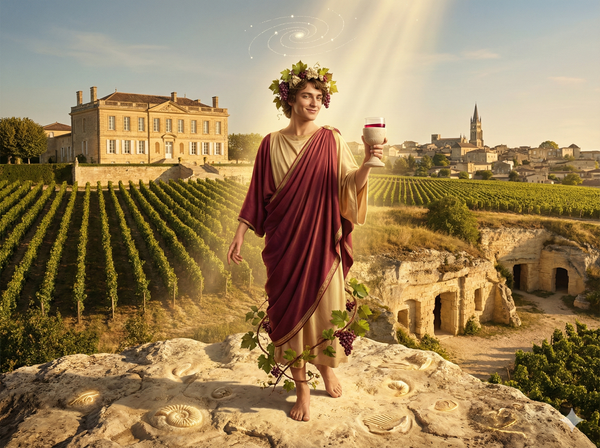
The sub-region snapshot of 1982 highlights a trio of distinct voices. Rioja Alta, closest to the Atlantic influence, provided the archetype: lifted red fruit, crystalline cedar clarity, and a long acid line, perfectly suited to the gran-reserva cadence. Rioja Alavesa, rooted deep in its limestone spine, yielded wines of striking violet perfume, graphite minerality, and taut, electric lines amplified by altitude freshness. Rioja Oriental (formerly Rioja Baja), following a warmer arc, relied on Garnacha to lend spice and sun-etched fruit; in 1982, it was the higher, breezier sites that held their structure best. The dark horse of 1982 is the old-vine Garnacha on stony benches and the high-lying Tempranillo parcels of Alavesa that bottled a surprising nerve and haunting persistence.
Style Spectrum: The Patient Hand and the American Oak's Soul
The stylistic brilliance of 1982 Rioja was rooted in traditional cellar practice. American oak was heavily predominant, defining the classic vanilla/dill signature, while houses using French oak achieved notes of spice and graphite polish. Winemaking favored long, gentle macerations (infusions) to draw out fine phenolics, with partial or full destemming depending on the house style. Crucially, the wines underwent regular trasiegos (hand racking for clarity), a labor-intensive practice now rare. Barrel aging often stretched far beyond the legal Reserva/Gran Reserva minima, allowing the wines to breathe and soften slowly in wood before final bottle rest. ABV typically held to a moderate 12.5–13.5%, with freshness the hallmark. Graciano and Mazuelo (Carignan) were vital seasoning agents, sharpening the wine’s acid line and ensuring structural longevity.
Producer Call-Outs: Architects of the Past
The best producers of 1982 Rioja were those who fully committed to the patience and traditional élevage the vintage demanded.
- Icons. La Rioja Alta (904/890) released wines of incomparable elegance and tertiary detail. López de Heredia (Viña Tondonia/Viña Bosconia) bottled wines of supreme, haunting antiquity. CVNE (Imperial/Viña Real) showed classical power and balance. Marqués de Murrieta (Castillo Ygay) is a monument of structure and concentration. Muga (Prado Enea) delivered aristocratic complexity.
- Value Plays. Riojanas (Monte Real/Viña Albina) provided exceptional grace and balance at their respective tiers. Bodegas Bilbaínas (Viña Pomal) offered structured, dependable aging. Bordón (Franco-Españolas) delivered honest, deep complexity. LAN captured the vintage’s generosity.
- Wild Cards. Contino offered a singular, modern single-vineyard lens on the vintage’s clarity. Palacios Remondo showcased the elegant, spicy voice of Garnacha. Seek out the small, old-vine Alavesa houses that kept acidity and fine grain.
Drink-or-Hold Scorecard: The Plateau of Contemplation
The 1982 vintage offers an extended, leisurely plateau of maturity for well-stored bottles.
- Early Charm (now–2030): Well-stored Reservas still possess surprising brightness and soft fruit. Enjoy them now with a gentle splash decant to open the closed aromas. Always inspect the cork carefully.
- Sweet Spot (now–2040): Many Gran Reservas are in their tertiary calm: a glorious convergence of leather, tobacco, cedar, and citrus oil, while that vital 1982 acidity keeps the wine lifted, electric, and fresh.
- Marathon (2041+): Pristine, top-tier bottles (proper storage) can continue on a graceful plateau, exchanging fruit for contemplative wisdom. Stand bottles upright days ahead of service; decant lightly to keep the fragile, ancient perfume intact.
Final Reflection
The 1982 Rioja is a luminous classic, a vintage defined by a rare gift of Atlantic coolness that successfully preserved a vibrant acid line. This structural freshness perfectly balances the mature fruit, allowing the wine's complex cedar-and-cherry architecture to emerge with grace. The resulting elegance is profound, showcasing how traditional, patient élevage can translate the essence of place into wisdom. Ultimately, 1982 stands as an essential chapter in Rioja's history, still whispering its bright, articulate story today.