1988 Sauternes: River Mist That Cooled to Crystal Honey
Sauternes 1988: A monumental vintage where River Mist forged wines of profound tension. High, laser acidity perfectly threads the honeyed core, creating a crystalline balance built for decades of serene, eternal aging. Essential guide for collectors.

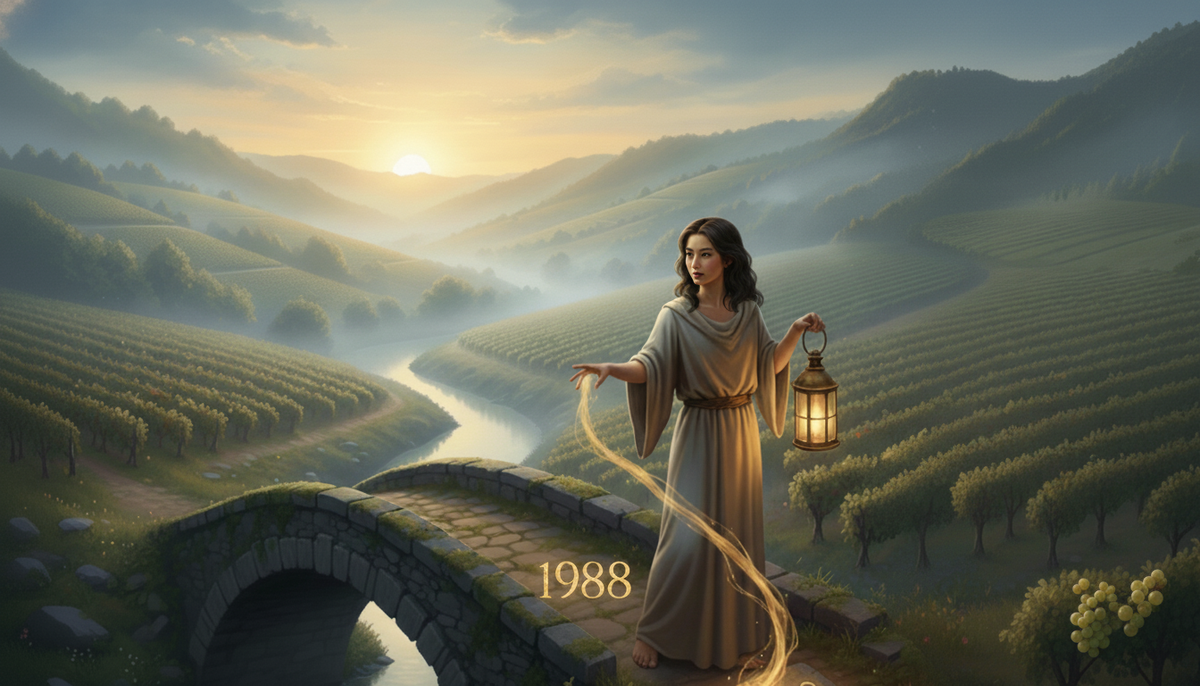
Apricot and saffron caught in Ciron mist—can sweetness drift like wistful morning light, or must it always anchor us to the earth?
The Season's Quiet Alchemy: Mist, Light, and the Slow Burn
The Sauternes 1988 vintage began its story with a cool, wet spring, ensuring deep water reserves were locked into the gravelly soils. A dry, warm summer followed, perfectly preparing the Sémillon and Sauvignon Blanc grapes. The true magic arrived in September when the cold Ciron River mist rolled in, wrapping the vineyards in a silver shroud and igniting the noble rot (Botrytis cinerea). Crucially, the mist gave way to luminous, sunny afternoons and cool nights, slowly condensing the sugars and concentrating flavor. The harvest—a meticulous effort of multiple, selective "tries" (passes)—stretched from late September well into early November. We harvested gold, yet knew time would tarnish its sparkle, leaving only perfume and bone.
The Structure's Pledge: Acid's Edge on Amber Dusk
Is 1988 Sauternes worth aging? Absolutely, and its aging curve is one of deep, elegant melancholy. This vintage is the sharp, brilliant opening chapter in the fabled 1988-89-90 trilogy; where the others brought hedonistic breadth, ’88 delivers tension and clarity. The precise timing of the Ciron mist, coupled with the afternoon sun and the drainage of the gravel-sand-limestone soils, forged wines whose laser acidity threads the honeyed core. This sadness-sweet balance—the perfect counterpoint of sugar and acidity—is what carries its flavor deep into the coming decades.
Decoding the Glass: Saffron, Stone, and the Lantern's Flicker
The wine holds the memory of a cold, perfect autumn. The color is a deep, burnished gold, a true reflection of concentrated sunlight. The palate is a slow reveal: intense dried apricot, candied pineapple, and Seville orange marmalade, layered over exotic saffron, smooth acacia honey, and the quiet scent of candle wax and almond skin. The mouthfeel begins with a cool entry, developing into a slow, viscous glide across the palate, yet concluding with a thrilling citrus-mineral lift. I taste it and recall the river fog that once curled around my ankles, carrying the promise of the day's warmth. The acidity flickers like a lone lantern between vineyard rows—a fragile, guiding light. Botrytised berries huddle like monks, each raisined robe whispering spice into the pressing trough.
The Appellation's Light: Gravel, Limestone, and Ciron's Breath
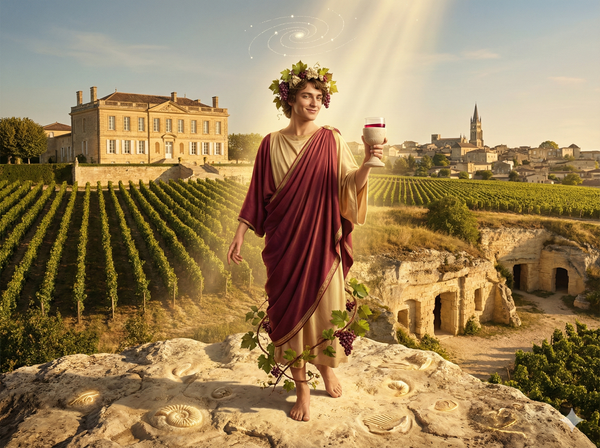
The Sauternes 1988 vintage is a detailed map of the appellation's varied temperament. Barsac (whose soils contain more limestone than the others) shone with characteristic brightness and high-wire tension. Bommes delivered a beautiful, centered balance between finesse and concentration. Preignac—home to estates like Suduiraut—often shows powerful, precise wines from gravel-rich soils. Sauternes (incl. d’Yquem) provided the rich, honeyed archetype, showcasing depth. Fargues added a distinctive spice note. Even in the deepest parts of the appellation, the acidity is undeniable. Look for dark-horse gravel pockets near the Ciron—and, in Barsac, limestone benches—where late tries bottled singular tension and a bright, stony lift.
Cellar Choices: Polishing the Wax and Saffron
The complexity of 1988 Sauternes is born of relentless, painstaking labor. Selective hand-picking often required 5–10 passes through the same rows as botrytis advanced. The wines began with multiple hand-picks ("tries") to select only the perfectly botrytised grapes, followed by gentle basket pressing. Fermentation was commonly conducted in oak barrels; some estates began in stainless steel and then racked to barrique to finish. Élevage (aging) typically spanned 18–30 months. New oak ranged by estate—around 30–60% for many châteaux, with some top cuvées (e.g., d’Yquem) closer to 100%. Long lees aging polished the wine's wax-and-saffron texture while allowing the scent of botrytis—that noble rot—to deepen its quiet murmur. Residual sugars generally settled around 120–160 g/L, with alcohol about 13–14%. Crucially, total acidity was high for Sauternes—especially versus 1989 and 1990—defining the vintage’s extraordinary framework.
Producer Call-Outs: Patience and the Perpetual Flame
The best producers 1988 Sauternes are those whose patience allowed the vintage's crystalline core to harden beautifully.
- Icons: d’Yquem delivered a monumental wine of aristocratic power and finesse. Rieussec was immensely rich and concentrated. Suduiraut showed its signature depth and honeyed profile. Climens captured the Barsac finesse with unparalleled tension. de Fargues was intensely structured and long-lived.
- Value Plays: Doisy-Daëne showcased beautiful elegance and acid drive. Doisy-Védrines offered a richer, dependable style. Coutet highlighted the tension of Barsac. Guiraud provided a solid, classic expression. La Tour Blanche was impressively concentrated and honeyed.
- Wild Cards: Nairac was highly concentrated and showed remarkable acid. Raymond-Lafon delivered opulence and complexity. de Myrat focused on finesse and light perfume. Haut-Bergeron offered intense flavor at a keen price.
These houses let 1988’s candle burn low and bright.
Drink-or-Hold Scorecard: Decades of Serenity
The 1988 vintage is one of structure, promising decades of serene transformation.
- Early Glow (Now–2030): Many great estates are showing beautifully now, offering a fresh balance of primary fruit and early tertiary notes. Serve cellar-cool, not chilled, with a brief decant to wake the saffron notes.
- Sweet Spot (2031–2050): The ideal window where the color deepens to amber dusk, and the primary fruit resolves into complex spice, gingerbread, and mushroom notes. The acidity remains a thrilling counterpoint.
- Marathon (2051+): The profound icons and best terroirs will offer a quiet, tertiary calm—the full reward of patience. Even in old age, ’88 still remembers the river.
Final Reflection
The 1988 Sauternes vintage is a study in profound tension, achieving a rare and spectacular balance between sweetness and structure. The high, laser-like acidity, forged by the long, cool autumn, perfectly threads the deep, honeyed core of dried apricot and saffron. This balance ensures the wines feel crystalline and light, rather than heavy, despite their concentration. Ultimately, 1988 is a beautiful, melancholic vintage built for eternal reflection and exceptionally long aging.