2010 Barossa Valley: Sunfire That Forged Calm Strength
Barossa 2010 Shiraz: The Architectural Vintage. Pre-season rains and cool March nights forged a rare structural equilibrium, blending intensity with elegance. A benchmark vintage built for sustained, quiet authority. Essential guide for collectors.

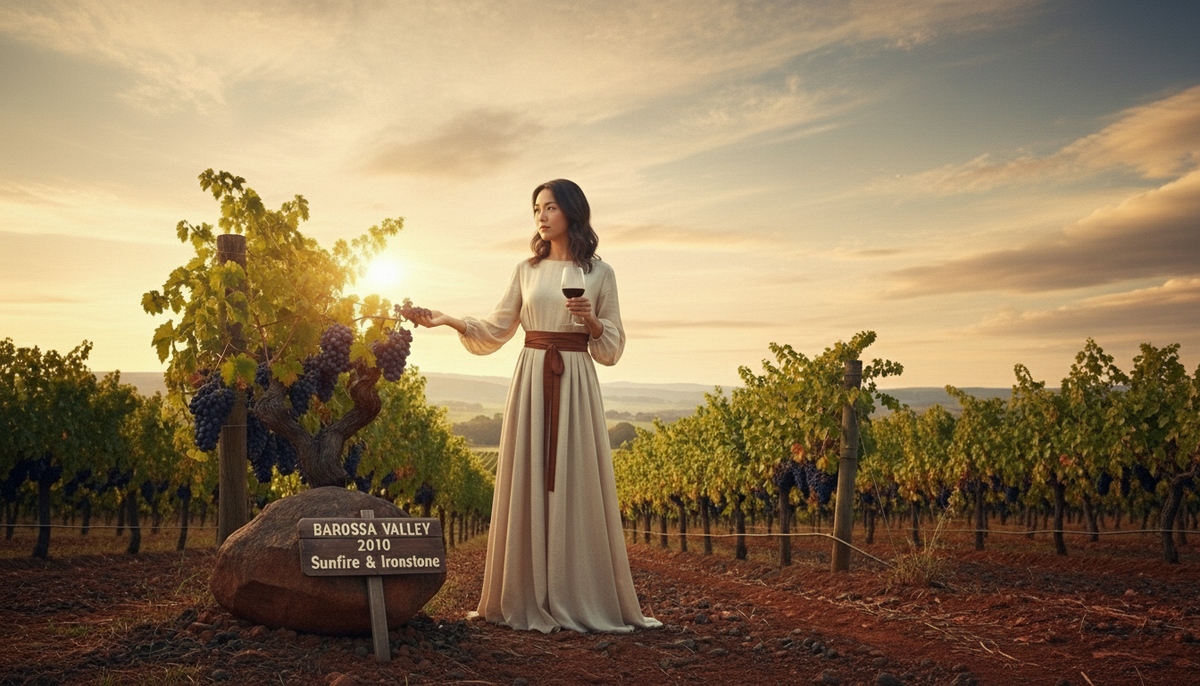
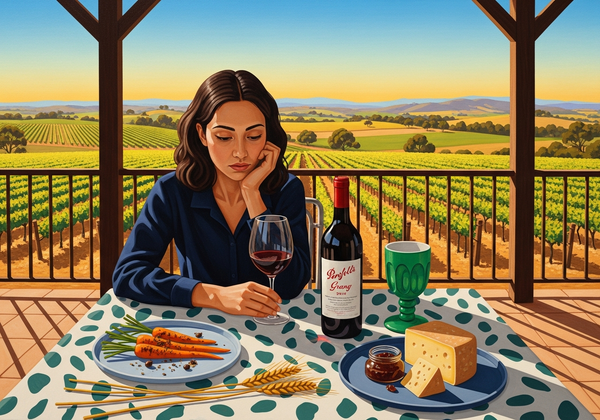
Plum and iron in the heat shimmer—can a sun-forged wine learn to speak softly, or must its power always shout?
The Season's Quiet Alchemy: Cool Nights and Disciplined Heat
The Barossa Valley 2010 vintage was defined by a classic, steady elegance. Winter–spring 2009 finally brought the best rains in five years, setting up strong soil moisture. Spring was mild overall but marked by a 9-day heatwave during flowering. The remainder of the season was warm to mild, pushing an early vintage. Cool nights from mid-March slowed the last picks and preserved freshness. This harmony allowed the grapes to achieve both density and clarity without the typical stress of heat. The fruit was harvested in pristine condition, beginning in late February and finishing before the typical autumn rains arrived. The valley exhaled, and the grapes held their breath just long enough to become something extraordinary.
The Structure's Pledge: Generosity with an Iron Heart
Is 2010 Barossa worth aging? Unequivocally yes. This vintage is a benchmark because it delivered profound ripeness without heat stress, resulting in a rare combination of generosity and structural finesse. Positioned between the plush warmth of 2009 and the outright power of 2012—2009 saw a late-Jan/early-Feb heat spike; 2012 enjoyed cooler spring/early summer and pristine structure—2010 is the architectural vintage—the year where generosity found its disciplined spine. Fine-grained tannin and remarkable freshness for such richness ensures its longevity; its heart is still iron and light, built for decades of slow, complex transformation.
Decoding the Glass: Dusk Settling over Red Clay
To taste 2010 is to feel the heat of the day perfectly resolved by the cool night. The sensory profile is a deep spectrum of dark notes: black plum, dense blueberry compote, star anise, cocoa, black pepper, and the defining signature of ironstone dust. The texture is lush and full on the mid-palate, yet wrapped around a firm mineral core, its acidity bright and hidden like a cool current under warmth. The finish is long, savory, dusted with cedar and smoked herbs, settling like dusk settling over red clay. I can still smell the red dust after rain in those wines. Shiraz leans back here—confident, muscular, but with the patience of someone who’s learned silence.
Regional Snapshot: The Valley's Resonant Breath
The Barossa Valley 2010 vintage spoke through the unique dialects of its sub-regions, creating a composite portrait of power and elegance. The Northern Barossa (Ebenezer, Kalimna, Moppa) delivered dark, intensely mineral wines marked by black olive, graphite, and long, structured tannin lines. The Central Barossa (Nuriootpa, Tanunda) offered richer fruit and spice, showcasing plush textures seamlessly lifted by fine acid. The Southern Barossa (Lyndoch, Williamstown) gave rise to cooler, floral wines with notes of violet, raspberry, and white pepper, revealing a graceful structure. High above, Eden Valley (the high country) provided its signature altitude tension—blue fruit, lavender, and electric freshness. Each hill caught the sun differently, and together they drew a single, resonant breath.
Style Spectrum: Proportion and the Whispered Strength
The triumph of 2010 lay in the restrained hands of the winemakers. Techniques favored included open-top ferments and gentle hand plunging, emphasizing flavor extraction over harsh tannins. Maturation typically spanned ~15–24 months in French and/or American oak, ~20–50% new depending on producer (RWT, for example, saw 15–18 months in high-proportion new French). Though alcohol generally sat high, 14.5–15%, it was perfectly balanced by vibrant acidity and deep phenolic grip. Winemakers admirably restrained extraction, letting the vintage’s natural concentration lead and proving that strength can speak through proportion, not volume.
Producer Call-Outs: Architects of the Quiet Tension
The best producers Barossa 2010 showed deep respect for the vintage’s natural architecture.
- Icons: Penfolds (RWT, St. Henri, Bin 389) captured structure and power with clarity. Torbreck RunRig delivered monumental, layered complexity. Rockford Basket Press maintained its classic honesty and depth. Henschke Mount Edelstone excelled in expressing cool-climate spice. Peter Lehmann Stonewell stood as a monument of richness and length.
- Value plays: Two Hands Gnarly Dudes offered immediate richness and concentration. Langmeil Valley Floor provided classic, balanced Barossa fruit. Yalumba Patchwork and John Duval Plexus showcased the vintage's textural breadth beautifully.
- Wild cards: Spinifex, Sami-Odi, Standish, Rusden, and Massena—these grower-makers captured 2010’s quiet tension and textural finesse, offering singular voices.
These were not wines made for noise; they were built to hum softly for decades.
Drink-or-Hold Scorecard: The Thread That Endures
The 2010 vintage is entering a long, magnificent maturity, rewarding patience with tertiary complexity.
- Early Glow (now–2032): Primary dark fruit and spice are still vivid. Decant for clarity and aromatic lift, allowing the inner light of the wine to emerge.
- Sweet Spot (2033–2040): Structure relaxes into velvet; the dark fruit turns profoundly savory, revealing layers of graphite, espresso, and dried rosemary. This is the meditation phase.
- Marathon (2041+): Top cuvées (RunRig, Stonewell, Mount Edelstone) will continue to evolve gracefully. The thread of freshness is the heartbeat that endures.
Tip: Serve slightly cool (16C); let the wine speak before you do.
Final Reflection
The 2010 Barossa Valley vintage achieved a rare, profound equilibrium, successfully balancing the region's characteristic sunlight and shadow. This was a year where Shiraz delivered both immense concentration and elegant poise, its natural warmth disciplined by a cool, stony calm. The resulting structural precision ensures its heart remains iron and light, granting the wine a sustained, quiet authority. Ultimately, 2010 stands as a benchmark that beautifully proved power is most profound when it only needs to whisper.