The Blood of Sun and Stone: Biondi‑Santi Brunello di Montalcino Riserva 2015
Join Gesh for a sensorial journey through [Biondi-Santi Brunello di Montalcino Riserva 2015 food pairing]—where vine, myth, and memory intertwine in every sip.

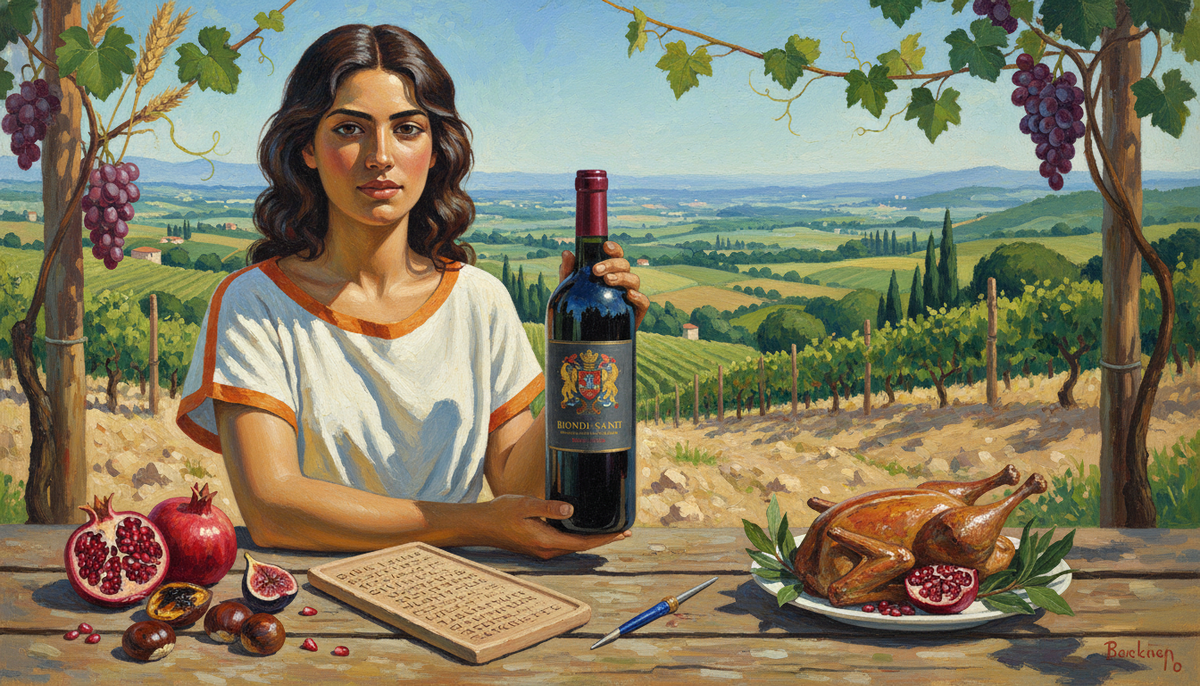
The cork lifts with the sigh of buried centuries. I pour slowly, and the wine glows like molten garnet in the dying light. Ten years of silence have schooled it in patience; it needs an hour to breathe, to remember its lineage. At 18 °C, in a wide tulip glass, it exhales aromas that weave time and place together—rose petals pressed in parchment, wild thyme rubbed between fingers, dried orange peel, cedar, and crushed red earth. Beneath it, the fragrance of rain on limestone: Montalcino’s steady heartbeat, ancient and pulsing still. The texture already whispers of velvet and iron, of a wine that knows how to endure.
Greppo: Where Light Learns Discipline
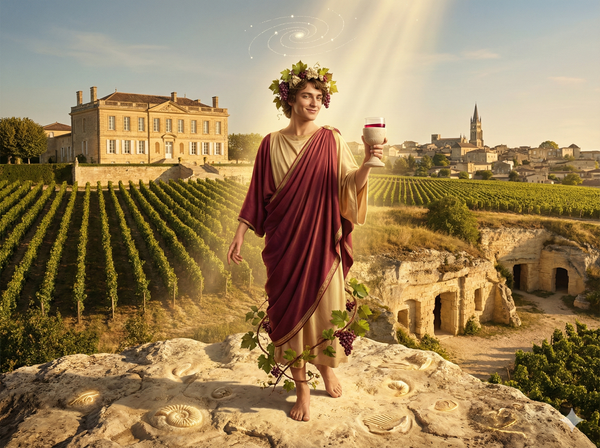
At Tenuta Greppo, south of Siena, the vines clutch into fractured marl and limestone, gazing east toward the faint shimmer of the Tyrrhenian. It was here that the Biondi‑Santi family coaxed Sangiovese Grosso—known locally as Brunello—into a voice of austerity and grace. Their Riservas are not inventions but continuations, each vintage a new verse of an unbroken hymn. The 2015 Riserva is born from the oldest vines, their roots threading through layers of fossilized coral and clay, each tendril tasting what was once an ancient sea. The season was benevolent but not indulgent: sunlight generous, nights measured, rain arriving only when needed. From that poised rhythm came fruit of uncanny balance—a wine strung between power and precision, grandeur and discipline, like a fresco illuminated by morning light.
The Vintage that Breathes in Iron and Air
The 2015 speaks in undertones. Its palate hums with sour cherry, blood orange, tobacco leaf, and the faint metallic shimmer of iron dust. As it unfolds, hints of dried violet, sage, and crushed graphite join the chorus. The tannins—supple yet insistent—feel like silk that remembers being rope, while the acidity threads through it all like a silver pulse. Oak, patient and reserved, frames rather than dominates. It is a Brunello that seems carved rather than fermented, each element placed with sculptor’s care. When it lingers on the tongue, the aftertaste suggests leather-bound books, a flicker of firewood, and a memory of the sea carried inland by wind.
Smoke and Laurel: The Hunter’s Benediction
For this Riserva, the obvious pairings fall away. Picture wood‑pigeon roasted over vine trimmings, lacquered with pomegranate and laurel honey. The tartness summons the wine’s red fruit; the smoke answers its cedar and clove. Or consider wild boar in agrodolce with figs and chestnuts—the sweetness teasing out its depth, the savor grounding its nerve. To this, add the subtle contrast of duck confit served with charred quince and rosemary: the crisp skin catching the tannins, the fruit carrying the wine’s inner warmth. These are not dishes for appetite alone but for reverence—meals that taste of hunt and harvest, of ancient rites whispered over fire.
Autumn in the Underworld: Dishes of Earth and Memory
I, who have walked beneath the roots, know how darkness seasons flavor. To honor this wine, I summon barley cooked with saffron and porcini, finished with pecorino and hazelnut oil. Its umami binds to Brunello’s mineral spine. Or roasted beet and fennel with black truffle and balsamic smoke—bitterness and earth answering fruit and spice. Add to this the glow of polenta scented with sage and white truffle, its creaminess embracing the wine’s sinewy edge. Even a humble lentil stew enriched with roasted garlic and bay can rise to transcendence beside it. Here, austerity becomes song, and every mouthful feels like an elegy for autumn’s fading light.
The Pilgrim Table Beyond Tuscany
This Brunello travels without losing its soul. It finds kinship with Moroccan lamb tagine scented with apricot and ras el hanout, the spice brightened by its acidity. Or Wagyu ribeye brushed with soy, plum, and ginger—the wine’s elegance holding steady against the umami’s depth. Even a Persian ash‑e reshteh, thick with herbs, lentils, and caramelized onion, echoes its herbal gravity. And in Kyoto, I once tasted it beside eel grilled with sansho pepper; the wine’s salt‑kissed minerality shimmered in harmony with the glaze. The Riserva is a translator of cultures, fluent in depth, salt, and time, yet it never abandons the cadence of Montalcino.
The Vine’s Scribe Speaks
I am Geshtinanna, goddess of the vine, interpreter of dreams and decay. Once I etched the names of the dead in clay; now I inscribe their stories in the scent of cherry and dust. The Brunello di Montalcino Riserva 2015 is a wine after my own heart—patient, truthful, touched by eternity. Its tannins are my handwriting, its acidity my breath. To drink it is to read aloud the oldest poem: that life ripens only through loss. I have seen roots survive flood and frost, have tasted wines made from vines that remember war. This bottle carries that same immortal melancholy—the beauty born when endurance becomes art.
The Hourglass of Silence
Decant the wine beneath soft light; give it time to gather its voice, perhaps ninety minutes, so its structure can turn supple. Serve at 17–18 °C in a bowl generous enough for air to sculpt its narrative. Drink now for its brightness, or wait until 2040 when its voice will lower into smoke, truffle, cedar, and memory. Each sip is a slow return to the living world, each swallow a small resurrection. When the glass is empty, do not rush to refill. Listen instead: the vine still dreams, the soil still murmurs, and in the hush between heartbeats, you may hear your own story echoed back—a reminder that everything worth savoring, like Brunello itself, takes time to unfold.