The Embered Vine of Aÿ: Bollinger Vieilles Vignes Françaises 2008
A poetic, terroir-driven guide to Bollinger Vieilles Vignes Françaises 2008 food pairing, rich in lore, biodynamic spirit, and uniquely plant-forward dishes.
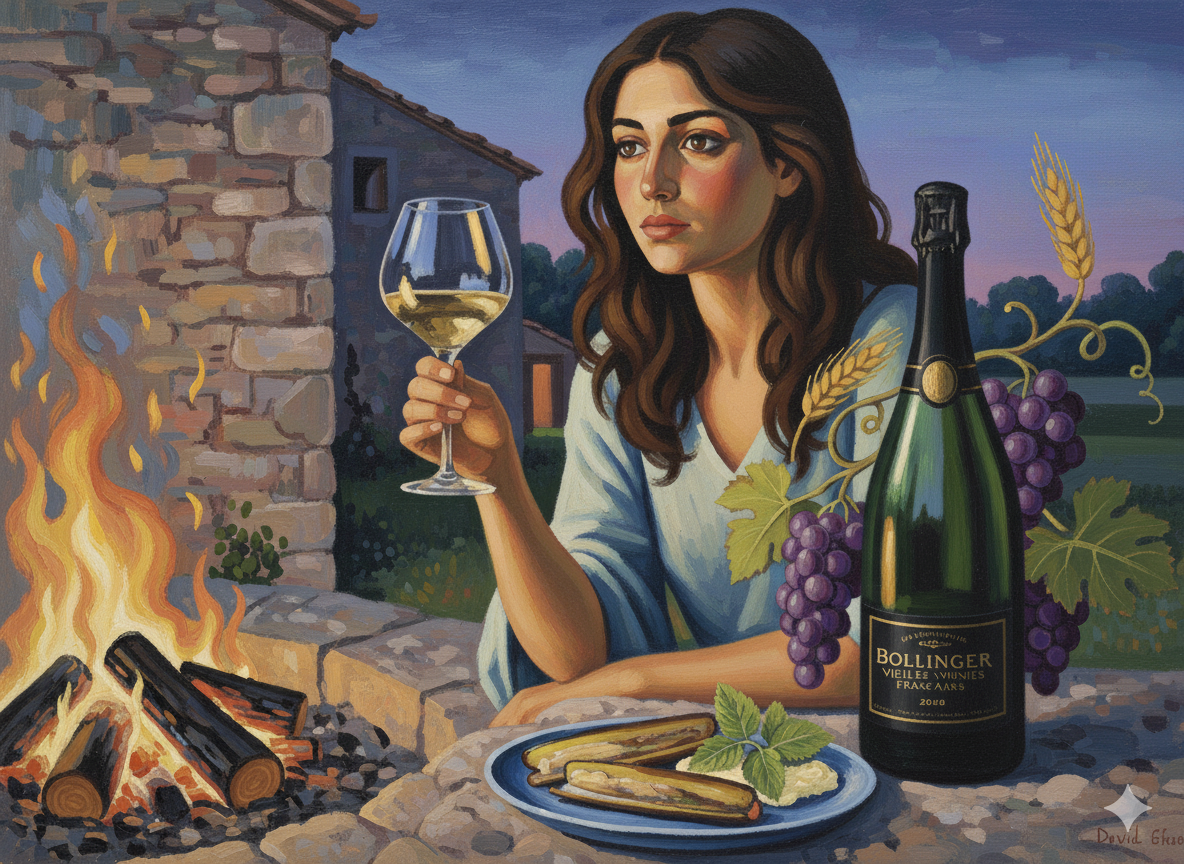
I tilt the bottle as a priestess might tilt a lamp in a cavern—carefully, reverently, aware that the light within is ancient. The 2008 Vieilles Vignes Françaises pours pale as moon-spilled gold, the first breath taut and cool. In my wide-mouthed tulip stem, it feels like a being newly risen from sleep. A brief, gentle splash-decant—no more than ten minutes—loosens the seam between chalk and orchard, letting aromas gather: apple skin, winter pear, crushed flint, and the faint bitterness of an almond just split. At 10–12 °C, the wine’s voice steadies, and I hear the low hum of old-vine Pinot Noir—ungrafted, uncompromised, whispering in the tongue of roots unbroken by time.
Origins Written in Chalk and Moonlight
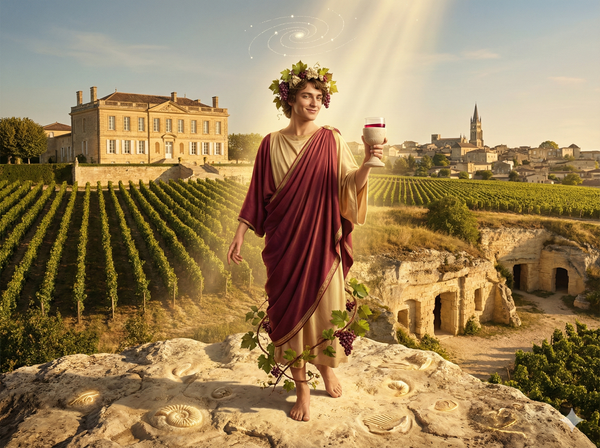
From France’s Champagne, in the village of Aÿ, this cuvée rises from two minuscule pre-phylloxera plots—Chaudes Terres and Croix Rouge—stewarded by Bollinger with near-monastic discipline. Pinot Noir alone shapes the wine. The soils are pale, hungry chalk threaded with limestone, the vines warmed softly by south-facing light and tempered by cool continental nights. Though not certified biodynamic, these plots demand a biodynamic soul: hand-tending by lunar rhythm, refusal of systemic inputs, and the patience I know from my own cycles of descent and return. The wine tastes of land that remembers every century it has survived.
When Limestone Dreams in 2008’s Cold Fire
The 2008 season carved its mark sharply—high acidity, long ripening, crystalline detail. This vintage doesn’t sing; it chimes. The nose begins austere: wet chalk, shaved quince, lemon pith. With air, warmth seeps in—brioche crust, candied hazelnut skin, dried meadow flowers. The palate is tensile and vertical, held aloft by acidity bright as a blade. A subtle phenolic grip—tannin’s gentler cousin—is felt as a fine, papery tension along the tongue, a gift of old Pinot Noir fermented with its skins. Quince, preserved lemon, and faint smoke fold into a finish that lengthens like fading light on limestone.
Farming at this micro-scale, with so much done by hand and moon, leaves a particular fingerprint: the wine feels alive in the mouth, not energetic in the modern cliché, but animate—like vine sap returning after winter, like breath stirred beneath snow.
Vegetables Tempered by Flame and Shadow
When I craft pairings for a wine like this, I listen for echoes—flavors that meet its tension, textures that soften its austerity. I recall how, in the underworld, my stylus scratched patterns into lapis tablets, mapping stories to survive the dark. Pairings are similar: we map the wine’s arc to the plate’s.
To honor VVF 2008, the vegetables must be deliberate, not backdrop.
Consider coal-roasted kohlrabi, its flesh turned sweet and translucent after an hour nestled in embers. Split it open, spoon over a dressing of cultured cream infused with green peppercorn and yuzu zest. The smokiness resonates with the wine’s faint autolytic savor, while the bright citrus aligns with 2008’s keen acidity.
Or craft Jerusalem artichoke lacquered with walnut miso, roasted until the skins crisp and the interiors soften into nutty perfume. Walnut miso’s earthy sweetness grounds the chalkiness of the wine, while the umami is tamed by the artichoke’s natural sugars and a slick of olive oil that harmonizes with the wine’s phenolic touch.
The Wine’s Shifting Light: Salt, Citrus, and Quiet Magic
Some dishes should lift the wine skyward. I often think of my brother Dumuzi slipping between forms when I taste a wine this layered—how it shifts with warmth, with time, with the brief shadow of a cloud.
A dish of celery heart braised in white verjus, then chilled and served with crushed green almonds and mint oil, mirrors the wine’s mineral purity. The verjus acidity matches the Champagne’s, preventing the wine from tasting thin; the green almond note amplifies its orchard character.
Or make a tartlet of smoked beetroot and preserved lemon, the beets cold-smoked over applewood. The smoke tethers the wine’s toasty notes, while preserved lemon mirrors its savory-citrus interplay. In my lore, even the demons of the steppe respected offerings touched by smoke; here, smoke becomes a bridge between elements.
If you require one fleeting nod to the sea, a single poached razor clam—barely warmed, brushed with chamomile butter—plays gently with the wine’s saline edge, though the dish remains a garnish, not a centerpiece.
Offerings of Texture and Quiet Grace
Side dishes should feel like libations: small, meaningful, attentive.
A potato mille-feuille roasted in brown butter and thyme meets the wine’s structure with quiet solidity, each crisp layer a mirror to its fine mousse.
Charred spring onion confit with lemon balm folds sweetness, smoke, and herbal lift into one gesture, sharpening the wine’s floral undertones.
Salt is the ally that calls the wine forward; bitterness, its adversary. Season with intention, as I once traced intentions into clay for those seeking understanding in dreams.
What the Underworld Teaches About Time and Wine
Time has taught me—through my yearly descent into the underworld and my return each spring—that revelation is a slow art. So it is with this wine. Serve it with a generous glass, a quiet table, and room for transformation. Now it is luminous, almost ascetic; with 12–18 more years, it will broaden into honeycomb, toasted grain, and orchard fruit baked in late-summer light.
Treat each bottle as a season in itself. Let it breathe, let it speak, and let the food around it feel like an offering, not adornment.