THE HILL THAT BREWS FIRE
Explore the complete history of Côte du Py, Morgon’s legendary volcanic hill. Discover how its unique terroir shapes powerful, age-worthy Gamay, told through the mythic voice of Liber. A deep, engaging journey into Beaujolais’ most iconic cru.

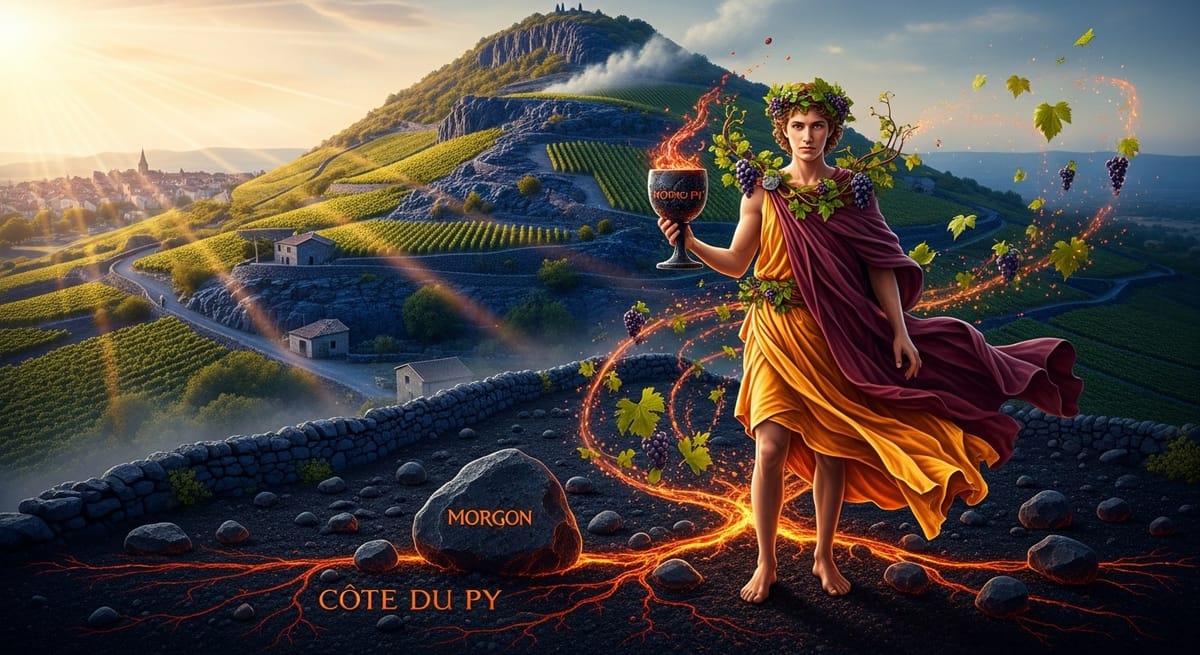
A Complete, Unruly, and Delicious History of Côte du Py, Jewel of Beaujolais
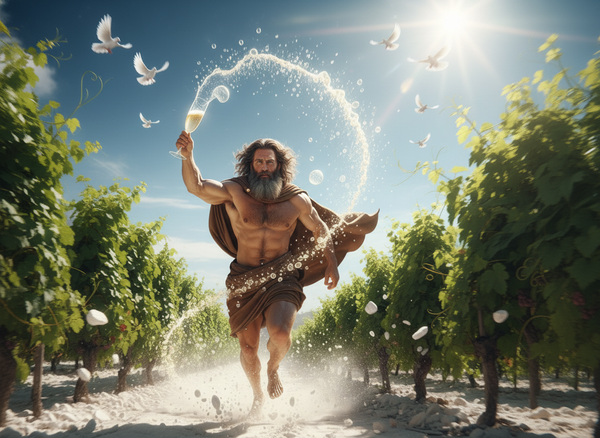
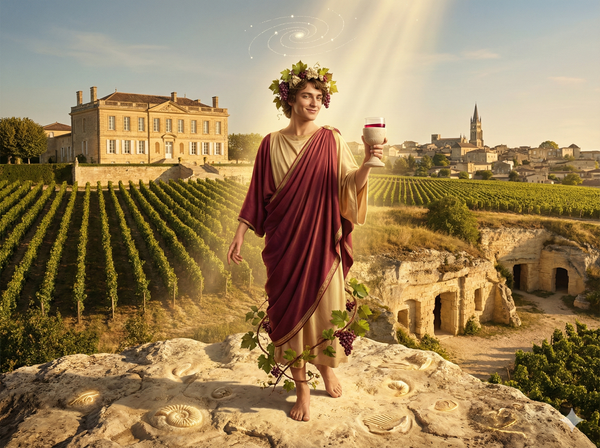
As told by Liber—god of the vine, revelry, metamorphosis, and volcanic memory.
Prologue: The Hill That Called to the Gods
Long before humans carved paths through Beaujolais, long before vines gripped the slopes or barrels lined cellars, there was a hill.
A dark hill.
A hill that smoldered.
Côte du Py—the volcanic heart of Morgon, the most brooding and transformative of the Beaujolais crus.
I, Liber, remember when this hill was still cooling. Volcanic stone settling, basalt veins hardening, the earth deciding whether to release its fury or cradle it forever.
It chose to cradle it.
And centuries later, when the first vines sank their roots into that basalt and schist, they awakened the fire again—quietly, deliciously.
That fire is what you taste.
The Land: Where Volcanic Bones Meet Gamay’s Pulse
To understand Côte du Py, you must begin with its skeleton:
- Blue volcanic schist
- Decomposed granite
- Manganese-rich soils
- Powdered quartz and clay veins
This is not gentle terrain. It is sharp, fractured, mineral, resolute. A landscape that challenges the vine—and rewards those who endure.
And endure they do.
Gamay, that lithe, perfumed grape, becomes something else on Côte du Py.
On this hill, it does not behave.
It grows serious. Muscular. Resonant. Deep.
A Morgon whispering violets?
Never.
A Morgon roaring black cherries, iron, stone, violets pressed into earth?
Always.
As I often say:
“On ordinary soils, wine sings.
On Côte du Py, wine remembers.”
A Brief Mortal History: From Quiet Hill to Sacred Ground
Though the hill’s essence is ancient, human history here is more recent—and more rebellious.
• Roman Times: The First Scratches of Viticulture
Romans grazed the surface of Morgon, planting vines but never fully understanding the hill’s potential. They took notes, not devotion.
• Middle Ages: Monks and Stoneworkers
The Benedictine monks tended Côte du Py with slow reverence. They mapped terraces, cleared boulders, and learned the hill’s moods the way one learns a lover.
• 17th–18th Century: The Age of Reputation
Morgon wines began their ascent, carried by merchants up the Saône to Lyon and Paris.
Their reputation grew for their “morgonisation”—a word used to describe their ability to deepen, darken, and transform with age.
Even now, to morgonize is to evolve into your deeper self.
A concept I endorse enthusiastically.
• 19th Century: The Phylloxera Fight
The great louse arrived.
The hill nearly fell silent.
But the growers re-grafted, rebuilt, and replanted. The vines rose again, more resilient than before.
• 20th Century to Today: The Age of Mastery
Côte du Py became one of the most revered single sites in all Beaujolais. A grand cru in spirit if not in law.
Growers like:
- Marcel Lapierre
- Jean Foillard
- Georges Descombes
- Jean-Paul Thévenet
- Domaine de la Grand’Cour
…revived natural winemaking, low intervention, wild yeasts, and honesty of terroir—techniques I personally blessed in secret.
Côte du Py became an emblem of purity and origin.
A hill that gives nothing for free, yet everything for devotion.
The Wines: A Transformation Worthy of a God
If you drink Côte du Py young, expect:
- dark cherries
- blackberry
- wet stone
- iron filings
- violets
- a hint of smoke from the hill’s dormant fire
But wait five, ten, even twenty years?
You will taste:
- truffle
- leather softened by time
- forest floor
- graphite
- a structure nearly Burgundian in its elegance
Côte du Py is the wine of metamorphosis—my favorite theme.
It does not fade.
It deepens.
It morgonizes.
As all things should.
The People: Guardians of a Sacred Slope
The growers here are not gentle gardeners.
They are weather-readers. Stone-movers. Fire-listeners.
They work steep slopes where tractors struggle and hands must take over.
Organic and biodynamic approaches thrive here—not as marketing, but as necessity. The hill does not tolerate chemical noise.
Every vintage is a negotiation with the elements.
Every bottle is a treaty with the hill.
These growers do not command Côte du Py.
They converse with it.
And the hill answers.
Why Côte du Py Matters Today
Because in a world of haste, Côte du Py insists on time.
In an age of homogenized wines, it insists on identity.
In a market chasing easy fruit, it insists on depth, complexity, and truth.
Côte du Py is not fashionable.
It is eternal.
And that is why it is beloved.
Liber’s Closing Toast
Côte du Py is not merely a place.
It is a transformation written in stone.
A hill with a heartbeat.
A wine with memory.
A story still being written by the vines themselves.
So raise a glass of Morgon from Côte du Py—young or aged, fierce or soft—and feel the volcanic fire beneath it.
Some wines are alive.
This one is awakening.
— Liber