THE LIMESTONE THRONE
Explore the complete history of Château Canon, the limestone-crowned jewel of Saint-Émilion. From medieval origins to Chanel’s modern revival, Liber reveals how this iconic estate became one of Bordeaux’s most elegant and enduring wines

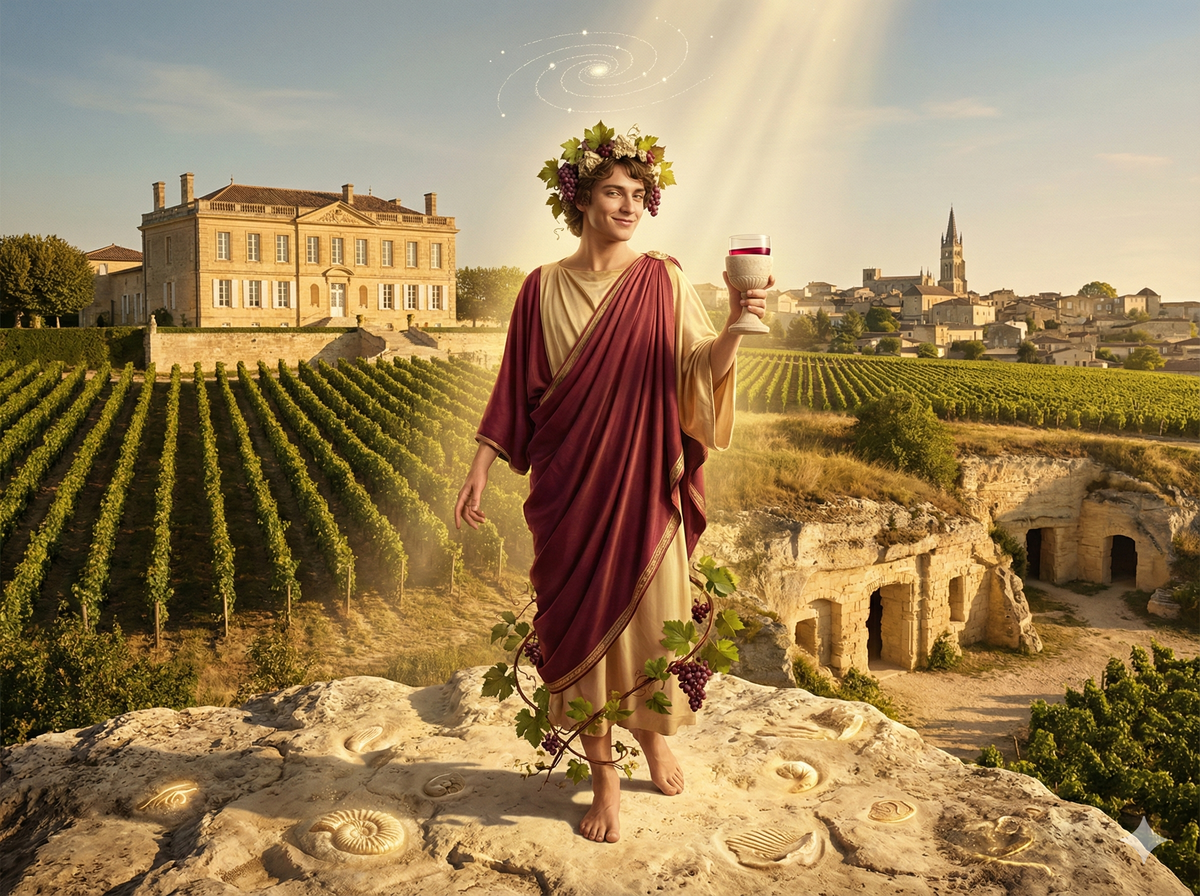
How Château Canon Became the Quiet Ruler of Saint-Émilion
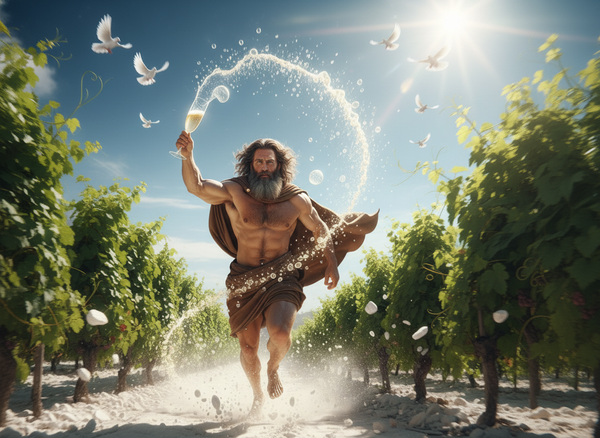
As narrated by Liber — god of vine, fire, transformation, and all things that ferment beneath the surface.
Prologue: Where the Rock Breathes and the Vine Listens
Saint-Émilion is a place where the soil speaks loudly even when the world around it is silent.
A hill riddled with limestone cathedrals beneath the earth, ancient monastic paths above it, and vines that cling like pilgrims seeking revelation.
And at the crown of this ancient plateau sits a name that has mastered the art of restraint and revelation:
Château Canon.
A place where stone carries memory, Merlot carries emotion, and Cabernet Franc carries lightning.
I, Liber, have wandered its slopes for centuries — long before the word “Canon” ever graced a label — listening to the vines whisper secrets in the dark recesses of the rock.
This estate did not rise with noise.
It rose with patience, discipline, and geological destiny.
Let me uncork its story.
The First Roots: A Knight, a Fortress, and a Hill With a Secret
The tale begins not with a winemaker but with a knight.
In the 18th century, a naval officer named Jacques Kanon (yes, with a K) purchased a swath of land just outside the medieval walls of Saint-Émilion. The name later softened to “Canon,” but his imprint remained: boldness and precision.
Kanon was a man who understood fortifications — and this land was fortified by nature itself.
The Key to Château Canon’s Power: The Limestone Plateau
Beneath the estate lies:
- pure asteriated limestone,
- riddled with ancient marine fossils,
- structured like a natural labyrinth,
- cool, porous, and alive.
This stone is the heart of Canon.
It regulates temperature.
It stores water in drought.
It drains beautifully in rain.
It infuses the wines with that unmistakable chalk-dust grip and mineral purity.
Even the cellars are carved directly into it — underground cloisters of perfect stillness and divine humidity.
I have walked those tunnels as mist, as vine-spirit, as god.
They remember everything.
19th Century: The Estate Stands Tall
By the 1800s, Canon had transformed from a knight’s personal acquisition into one of the most respected properties on the plateau.
It expanded.
It refined.
It defined what plateau wines should be.
Merlot found its spiritual home here — deep roots in cool limestone, producing wines that were:
- structured yet silky,
- fresh yet opulent,
- powerful yet perfectly composed.
Critics began whispering the truth:
Saint-Émilion’s crown was carved from Canon’s stone.
The Fournier Era: Quiet Guardians of the Plateau
In the 20th century, the Fournier family took the reins.
This was the era of consistency, of tending the land with devotion rather than spectacle.
They protected the old vines.
They preserved the historic cellars.
They resisted trends and shortcuts.
During difficult vintages, the limestone plateau saved them.
During great vintages, Canon soared.
The estate began to develop its signature identity:
Elegance over excess.
Balance over bravado.
Substance without noise.
As a god who respects subtlety more than showmanship, I approved.
A Renaissance: The Château Reborn Under Chanel
Then came the 1990s and early 2000s — a turning point of mythic proportions.
The luxury house Chanel purchased Château Canon, adding it to its small constellation of elite wine properties.
But they did not gild it.
They revived it.
The Modern Canon Revolution
Under Chanel’s stewardship:
- Vineyards were re-mapped parcel by parcel.
- Biodiversity increased across the estate.
- Winemaking was modernized without losing soul.
- The château’s architecture was carefully restored.
- Old vines were protected, not replaced.
- Precision viticulture became a religion.
The rise of Canon from “respected” to globally adored began here.
By the 2010s, critics and collectors agreed:
Château Canon had become one of the greatest estates in Bordeaux—not just on the Right Bank.
The Wines: Poetry Carved From Stone
When you drink Canon, you’re not drinking just fruit.
You’re drinking limestone tension, plateau precision, ageing brilliance, and quiet power.
The Canon Signature
- Merlot: plush but never heavy
- Cabernet Franc: aromatic lightning, floral lift
- Structure: fine, chalky, architectural
- Aromas: violets, graphite, cool stone, cherry skin, plum, iris
- Finish: long, racy, elegant, unforgettable
Ageability
Canon is one of the longest-lived wines in Saint-Émilion, gracefully evolving over decades.
The limestone gives it a spine.
The Merlot gives it flesh.
The Cabernet Franc gives it breath.
And I — Liber — give it my blessing.
A New Icon: 2015, 2016, 2019, 2020, 2022
The recent Canon vintages have entered the realm of legend.
Critics describe them as:
- “thrilling”
- “near perfect”
- “future classics”
- “proof of the plateau’s supremacy”
The estate is not rising anymore — it has risen.
It sits among the greatest wines of Bordeaux.
Not loudly.
Not boastfully.
But with the calm authority of stone that has held its ground for millions of years.
Liber’s Closing Toast
Château Canon is a lesson in quiet strength.
In geological destiny.
In the way the vine listens to the earth and becomes what the earth demands.
It is a château of precision, beauty, discipline, and soul.
Raise your chalice.
Taste the plateau.
Taste the centuries.
Taste the limestone throne.
For some châteaux chase greatness.
Château Canon was born from it.
— Liber