The Vine’s Fugue in Volcanic Dust: Realm Cellars Falstaff 2016
A mythic, plant-forward exploration of unique pairings for Realm Cellars Falstaff 2016—volcanic soils, embered vegetables, and cosmic lore.

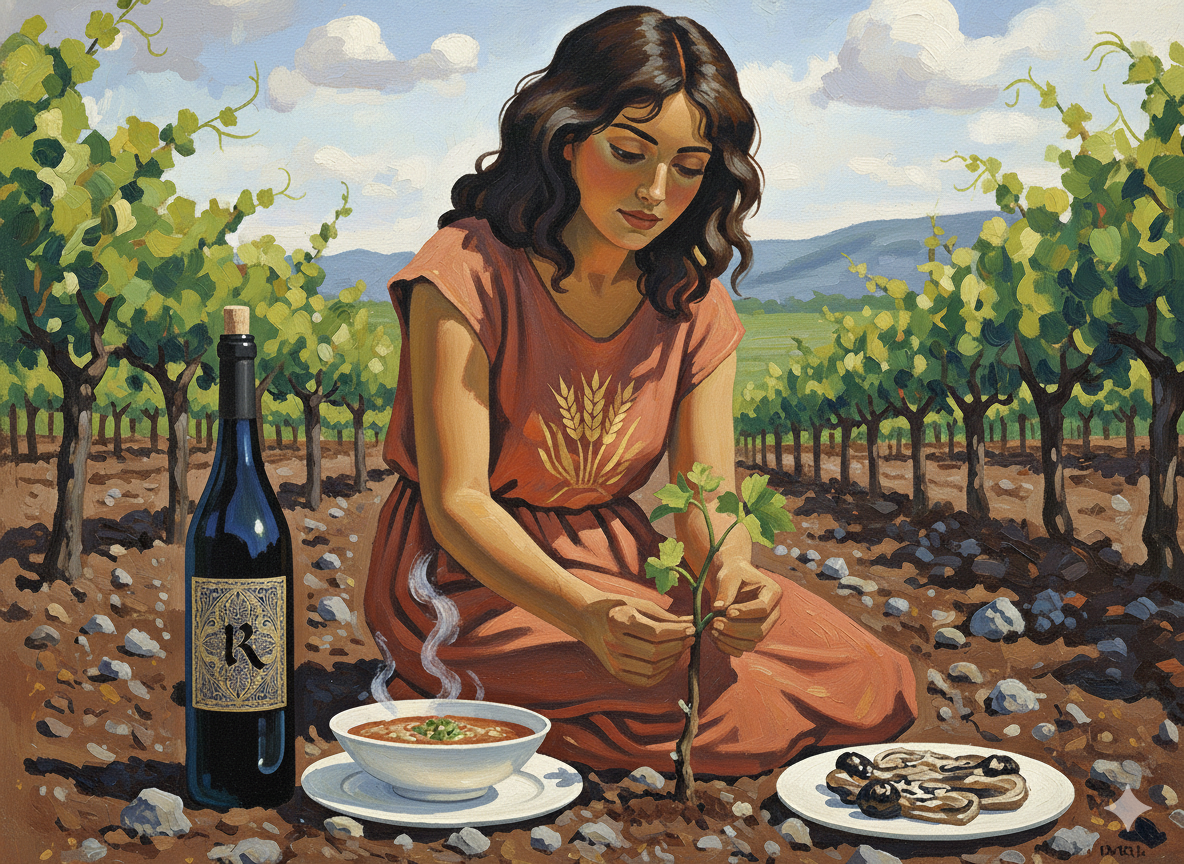
I pour the Falstaff 2016 and watch it unfurl like a night-blooming flower—dark garnet with a rim that flickers ruby when caught by candlelight. In a broad Bordeaux glass, the wine stretches slowly, its breath deepening over the course of an hour as those fine, structured tannins—the kind that dry the cheeks like a whispered warning—soften into silk. At 16–18°C, the fruit steadies itself, neither rushing nor retreating, speaking clearly in a voice that reminds me of the low hum of vines under starlight.
I have watched wines take their first breaths for five thousand years, from Sumer’s clay jars to Napa’s oak sanctuaries. This one wakes gently. Even in youth, Falstaff 2016 shows the poised musculature of a wine built from intention and patience.
Stones, Smoke, and the Making of a Voice
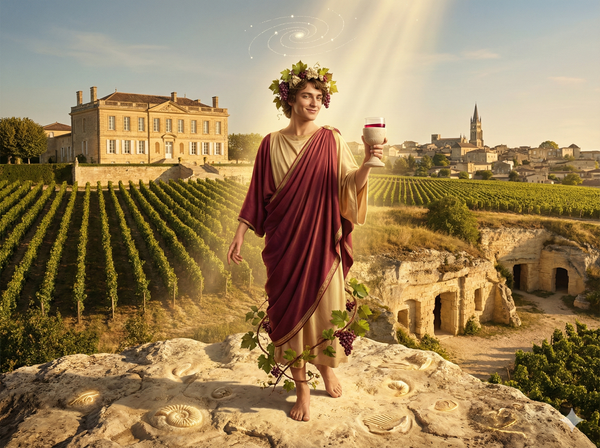
Realm Cellars tends its parcels across Napa Valley, but Falstaff finds its grounding in the cooler cradle of Coombsville, where volcanic tuff and fractured basalt keep roots thinking, searching. Cabernet Sauvignon leads the blend, joined by fellow Bordelais grapes, and though the estate isn’t formally biodynamic, the farming honors living soil: compost, cover crop, lunar-timed operations when possible. I feel it in the wine’s pulse—the kind of vibrancy that only arises when the land is allowed to breathe.
The 2016 Season: A Year of Measured Light
A long, unhurried growing season shaped this vintage. You taste it in the wine’s balance: cassis, black raspberry, and mulberry layered with sagebrush, graphite, and warm stone after rain. On the palate, it moves with restrained power—full but sculpted, acidity bright as a struck blade, tannins fine yet firm. French oak folds in accents of sandalwood and incense. A wine with a long road ahead: vivid now, deeper by 2030, still eloquent beyond.
I’ve tasted wines shaped by more violent seasons—years when heat or frost seemed to test even my divine patience. But 2016 feels like a dream I once interpreted for my brother Dumuzi: a vision of steadiness, of harvest granted rather than wrested from the earth.
Embered Vegetables & the Tannin’s Song
Falstaff’s elegance calls for pairings as layered as the wine itself—less the usual cabernet staples, more dishes that mirror its graphite edges, lifted herbal tones, and volcanic undertone.
Consider ember-roasted kabocha squash served with black-garlic molasses. The squash’s caramelized flesh offers sweetness that harmonizes with Falstaff’s dark berry core, while black garlic—deep, almost balsamic—reveals the wine’s mineral spine. I serve this when the moon hangs low, just as the vines slip toward dormancy; the dish tastes of endings and renewals.
Or try smoked king oyster mushrooms brushed with tamari and cocoa nib. The smoke converses with the wine’s cedar and incense, while the mushrooms’ dense texture softens the tannin like a lullaby. Cocoa nib adds a bitter-sweet flicker that wakes the wine’s herbal edges.
These are not polite vegetables. They carry fire, shadow, and a little menace—the kind of flavors the underworld itself might approve.
Moonlit Broths & Cabernet’s Quiet Herbality
There is a broth I reserve for wines with deep composure: a charred leek and white bean potage finished with rosemary oil and a hint of lemon ash. The ash echoes Coombsville’s volcanic soils, while rosemary teases out the wine’s subtle sage and bay notes. The beans, creamy and grounding, make the tannin feel almost tender.
Or steep a broth of grilled fennel, toasted coriander seed, and saffron, then pour it over warm marble potatoes. The fennel’s anise notes meet the wine’s floral lift; saffron adds warmth that lengthens the finish. This pairing reminds me of the nights I spent recording dreams in the underworld—quiet, layered, illuminated from within.
When Fire Meets Fruit: Bold, Unexpected Harmonies
For something more unconventional, pair Falstaff with Moroccan-spiced carrot tagine—a slow-simmered dish with preserved lemon, cumin, apricot, and harissa. The wine’s acidity slices through the stewed richness, while its dark fruit melds beautifully with apricot’s sweetness. The gentle heat draws forward the cabernet’s latent spice.
Or griddle charred sweetcorn cakes with smoked paprika and a bright, herb-packed zhoug. Corn’s natural sweetness tethers the wine to sunlit notes; paprika speaks to the oak; zhoug’s herbs spark the wine’s green glow. Even the galla demons—those spirit-brutes with no families and no taste for subtlety—would pause mid-hunt to consider such a plate.
The Final Offering: Roots, Grain, and Quiet Light
On colder nights, serve roasted sunchokes folded into a chestnut–parmesan cream. The sunchokes bring earthiness that mirrors the wine’s forest-floor whispers, while chestnut adds depth without overwhelming. Or take farro, simmer it slowly with porcini broth, and finish with thyme and lemon peel. The grain’s chewiness cradles the tannin, and lemon’s brightness lifts the finish.
Falstaff does not crave dessert. Instead, close with a shard of aged mimolette or a nutty alpine cheese—something firm, structured, carrying its own history. Let it echo the wine’s quiet strength.
The Scribe’s Closing Blessing
Hold this wine the way you would hold a story—patiently, reverently. Give it its hour of breath. A wine raised from soils alive with microbial chorus carries memory in every layer. Falstaff 2016 is such a wine: written in volcanic dust, carried through a steady season, bound by tannin like clay tablets bound by stylus marks.
May your table honor it with dishes touched by flame, earth, and shadow. May it open slowly, like a dream yielding its symbols. May it endure, as I have endured—descending, rising, remembering.